
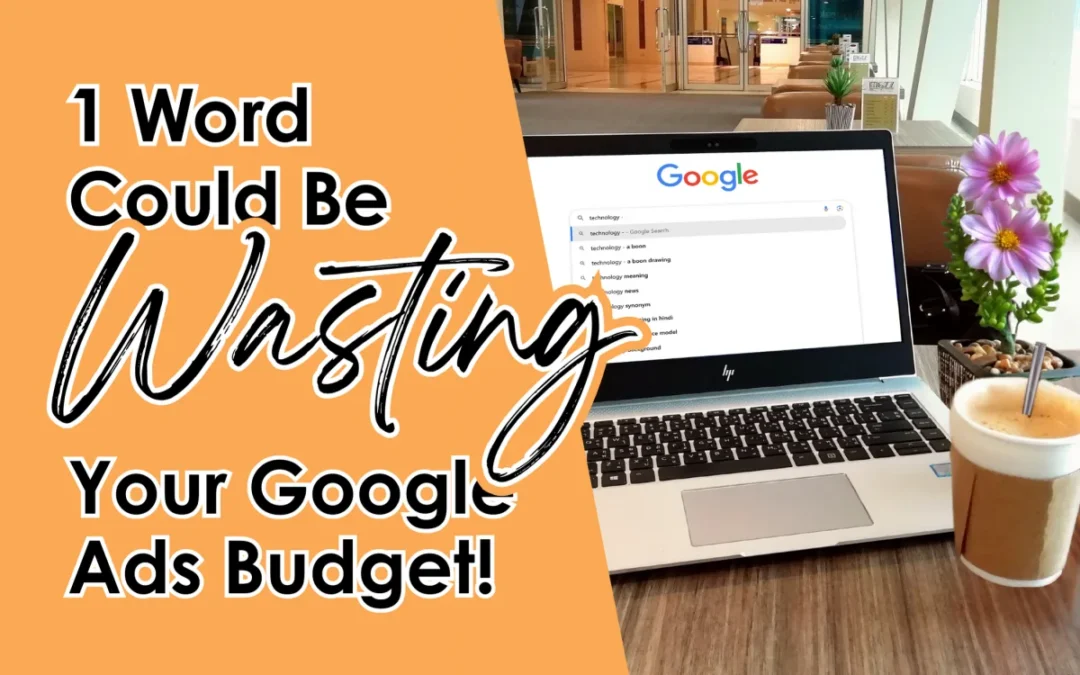
Take “cleaning” as an example. It feels like the right fit if you run a cleaning company, but here’s the catch: people searching “cleaning” aren’t always looking to hire a service. They could be after “DIY cleaning tips,” “how to clean sneakers,” or “best cleaning products.” And every one of those clicks still costs you money — even though none of them are ready to book.
That’s the danger of broad keywords: they look good, but they spread your budget too thin. Instead of reaching people ready to call, you end up paying for clicks from browsers, not buyers. The outcome? Less leads, wasted spend, and unnecessary frustration.
It is easy to fix this by swapping broad, budget-draining words for smart, targeted keywords that connect you with the people ready to take action.
What Are Targeted Keywords?
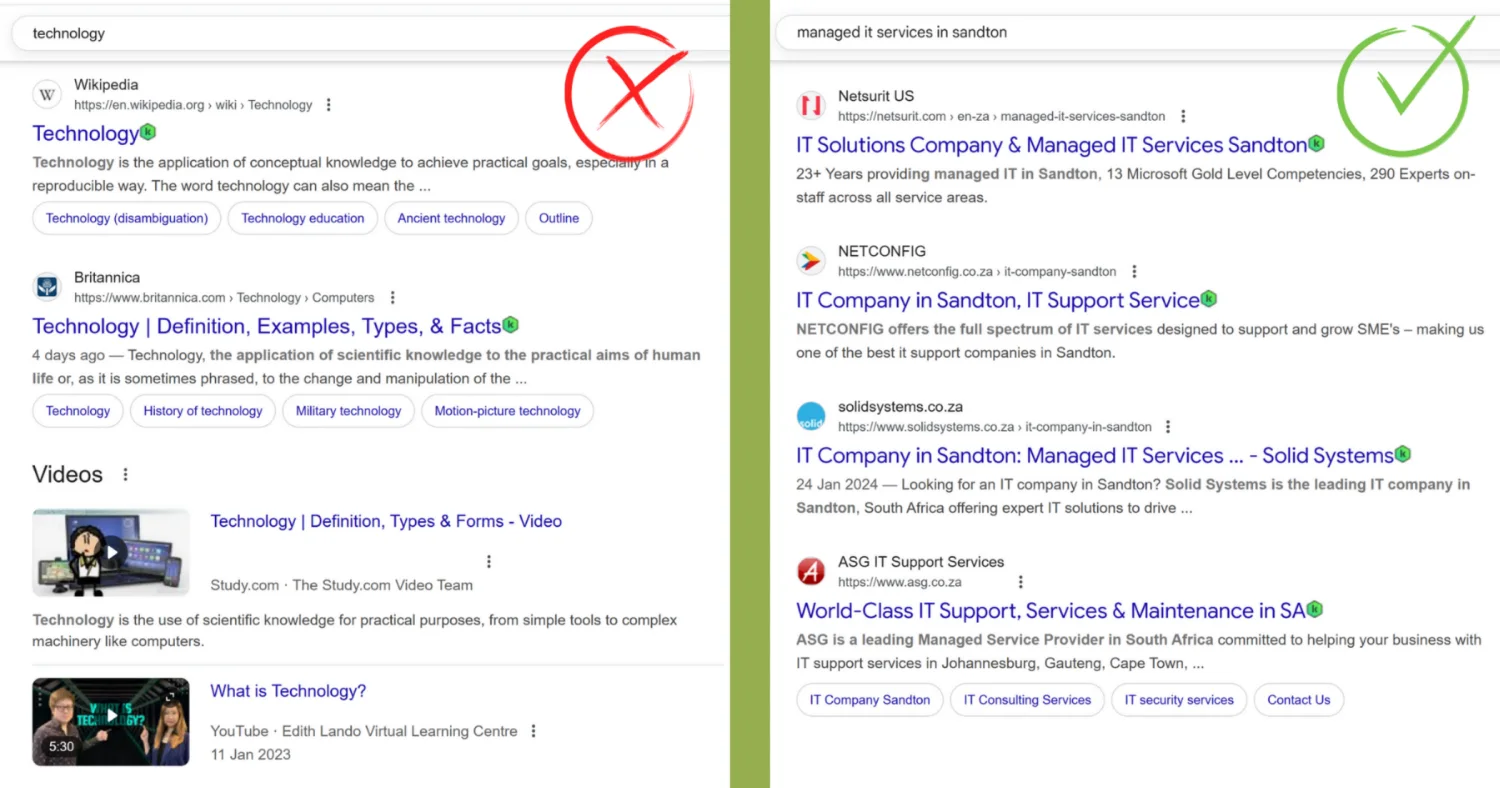
Targeted keywords are words and phrases your real customers type into Google when they’re ready to buy. They go beyond single, broad words like “cleaning” and add context — what service, where it’s offered, and who it’s for.
Think of it as the difference between shouting “cleaning!” in a crowded room versus saying “cleaning service in Fourways.” One is vague and gets lost, the other speaks directly to the person who actually needs you.
Why Targeted Keywords Matter
The difference between wasted ad spend and real leads often comes down to how specific your keywords are. Instead of just “cleaning,” imagine using “cleaning service in Fourways” Keywords like these are:
- Targeted — they show exactly what you offer.
- Local — they connect with people in your area.
- Buyer-ready — they speak to people who are ready to buy or book.
How to Choose the Right Keywords
Here are 3 quick steps to make your ads more effective across any industry:
1. Research Local Searches
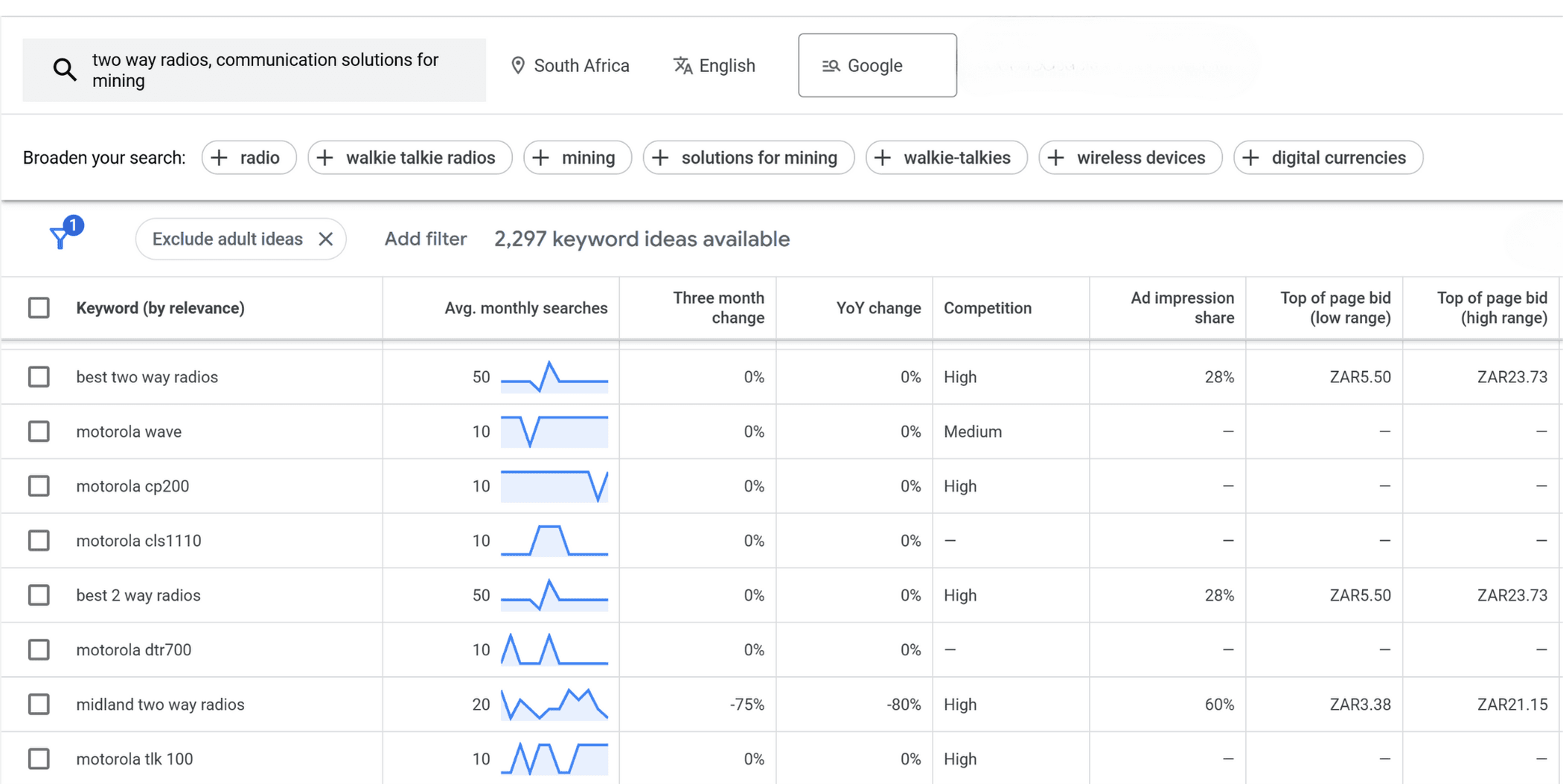
Use Google’s Keyword Planner or simply start typing your service into Google and see what auto-suggestions pop up. These are often the exact phrases people near you are typing.
2. Use Customer Language
Think like your client. A homeowner might search “burglar bars that don’t block my view” instead of “transparent barrier systems.” A business owner might type “fast internet support” instead of “network infrastructure management.” Use their words, not industry jargon.
3. Cut the Waste
Check your ads once a month to make sure you’re not paying for the wrong clicks. Every wasted keyword you remove frees up budget for the ones that actually bring in leads.
The Big Question
If someone searched for your service or product today… would they find you, or your competitor?
👉 At Clickmode, we help businesses simplify Google Ads, stop wasting budget, and focus only on the keywords that bring real customers.
Ready to make your ads work smarter? Let’s spring clean your Google Ads today.