5 Smart Ways to Get Visitors Back to Your Website in 2026
Most people don’t convert on their first visit. They browse, compare, become distracted, open seventeen tabs like digital raccoons, and then vanish into the cyber ether. That doesn’t imply they’re lost. It usually indicates that they are not ready yet.
The good news is that there are practical methods for bringing those visitors back.
In 2026, gaining recurring website traffic does not mean speaking louder. It’s about becoming more strategic. If your company wants more enquiries, more sales, and better outcomes from its existing traffic, here are five clever strategies to bring users back to your website.
Why returning guests are more important than ever.

This means that your first visit to a website should not be considered the end of the process. It should be viewed as the start of the follow-up.
1. Use retargeting advertisements to re-engage warm traffic.
Retargeting advertising are one of the most successful strategies to drive users back to your website.
Retargeting allows you to stay visible to visitors who have previously visited your website but have not taken action. Perhaps they glanced at a service page, read a blog, or browsed your homepage before leaving. Retargeting allows you to re-engage them with a more targeted message.
Google Ads already supports this via audience management and data segments, allowing advertisers to re-engage earlier website visitors. Google also states that the simplest setup entails inserting a Google tag on each page so that website visitors can be included to your data segments.
Some practical ideas:
- Display one advertisement to those who visited your services page but did not query.
- Display a different ad to those who visited your price or contact pages.
- Create a campaign targeted for folks who read blog posts but never went to a service site.
The trick is not to broadcast the same generic ad repeatedly. Match the ad to what the person has already expressed interest in.
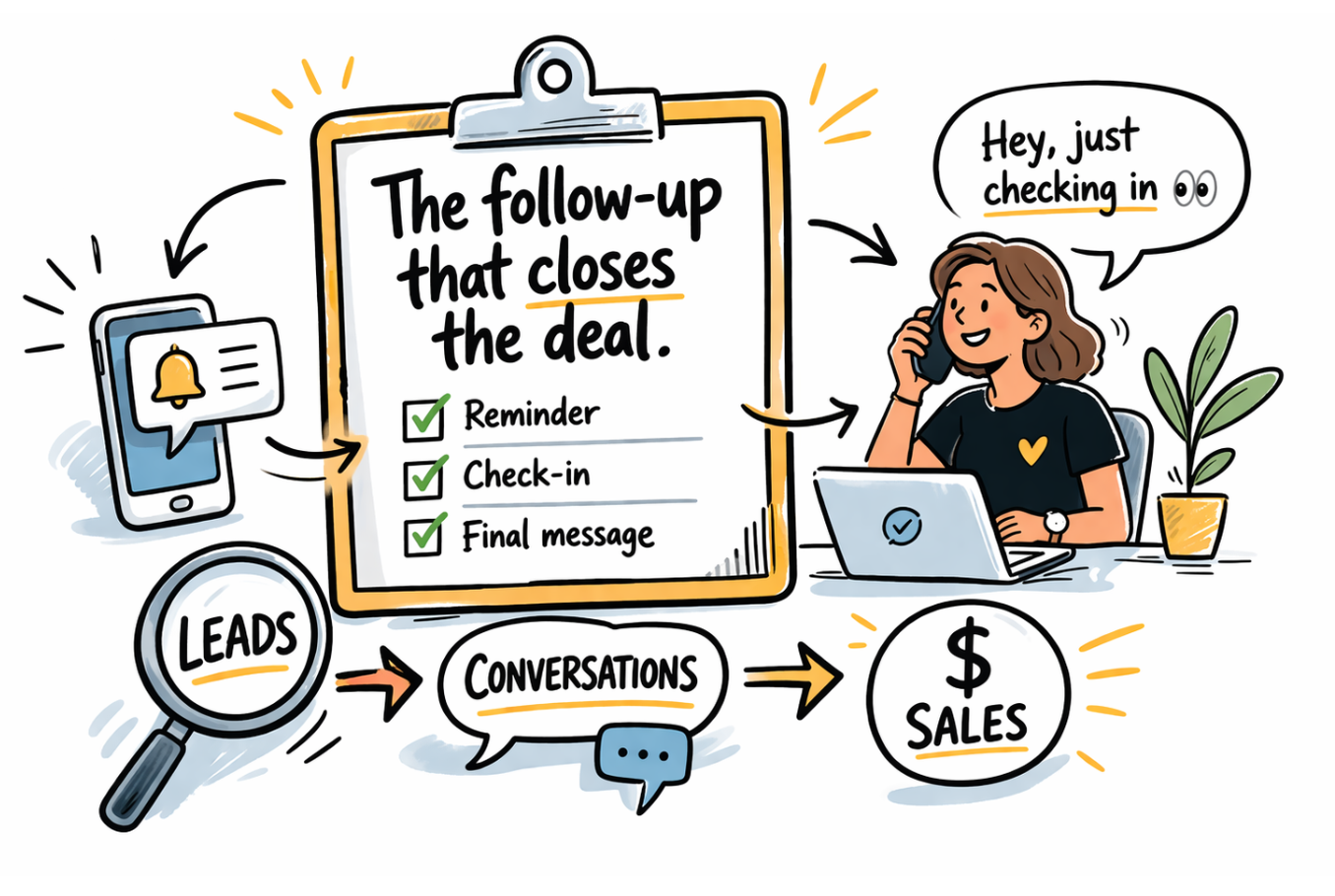
2. Create an email follow-up strategy instead of expecting people to remember you.
Not every visitor is ready to purchase today. Some require time. Some people require reassurance. Some people only need a light nudge, not a digital trumpet solo.
That is where email marketing gets effective.
If your website offers a lead magnet, newsletter sign-up, free quote form, or downloadable resource, you can create an email sequence that drives visitors back to your site over time. This is especially effective for service organisations who want to remain top-of-mind without being aggressive.
Your email follow-up can be:
- Send valuable suggestions.
- Address common objections.
- Share related blog content.
Link people back to service pages.
Remind visitors to book, enquire, or seek a quote.
This technique works well because it continues the conversation beyond the first visit, rather than leaving everything to chance.
3. Refresh your finest pages to give visitors a cause to return.
Many firms focus solely on generating new traffic but often disregard what happens once that traffic actually arrives on the website. Visitors will leave and not return if the content appears to be outdated, sparse, or ambiguous.
Google’s guidelines continue to emphasise people-first content that is unique, useful, substantial, and written to truly assist users rather than manipulate results.
That means one of the best things you can do is renew your top-performing sites and outdated blog content.
Update:
- Outdated examples
- Weak headings
- Missing FAQs
- Thin service descriptions
- Old calls to action.
- Internal links to newer pages.
- References to existing tools, trends, or customer issues
When a visitor returns to your website and sees current, relevant information, trust grows. And confidence is what converts repeat visitors into enquiries.
4. Create content that responds to the next question your visitor has.
Most consumers do not return to a website because they have a strong emotional attachment to its homepage. They return with a question.
That is why content planning is important.
If someone stumbles on a page discussing website design, the following useful inquiry could be:
- How much does a website cost?
- How long does it take?
- Do I need SEO as well?
- Will my website operate on mobile?
- What happens once the website is launched?
If a person reads a blog about traffic, their next query could be:
- Should I utilise SEO or Google Ads?
- How does retargeting work?
- What is the best technique to get leads?
- How can I enhance website conversions?
Create content that answers the next logical query and naturally connects to it on the present page. This transforms your site into a path rather than a dead end.
This practice also fits well with Google’s emphasis on comprehensive, satisfying information that exhibits experience and utility.
5. Make returning easy with greater calls to action and offers.
Visitors may want to return, but your website offers them nothing memorable to return for.
A stronger return-path could be:
- A free website audit
- A printable guide
- A quote request
- A case study.
- A booking form
- A mail with truly useful updates.
- A unique landing page linked to a campaign.
Clickmode’s homepage already features a “Free Website Audit” offer, the type of lead-generating CTA that can encourage return visits when combined with advertisements, email, and content.
Calls to action should be clear, explicit, and relevant to user goal. “Contact us” has its uses, but “Get a free website audit” or “Request a quote for your website” provides customers a compelling reason to act now or return later.
Final thought
If you want people to return to your website, don’t regard traffic as a one-time occurrence.
Consider it as a relationship:
- Retarget those who have already visited.
- capture leads so you may follow up via email.
- Keep your pages updated and relevant.
- Create information that answers the following question.
- Give people a compelling incentive to return.
You have already paid for the attention. Create a smarter way back to your website.
And, frankly, this is where the second click begins to pay off.

CAROL DIPPENAAR

How to outsource your brain
R220.00