How to Boost Social Media for Your Business
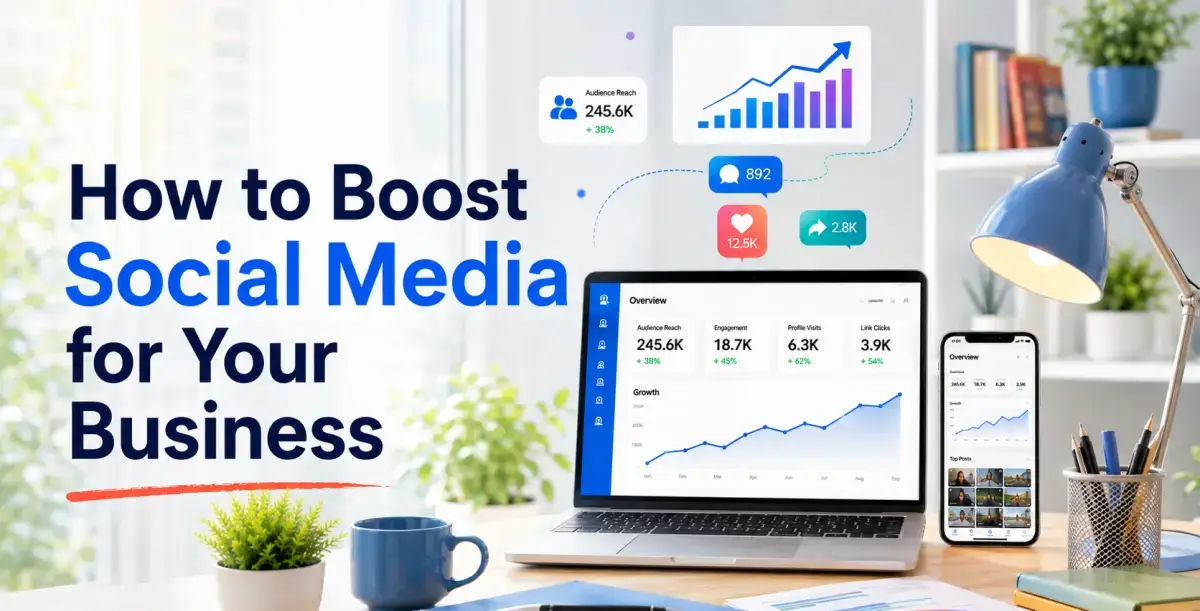
If you want to boost social media results for your business, posting more often is not the whole answer. You need the right message, useful content, consistent branding, clear calls to action and a plan for turning attention into enquiries.
The simplest approach is to choose the platforms your customers actually use, create content around their needs, publish consistently, support your strongest posts with targeted advertising and measure the actions that matter to your business.
In other words, your goal is not merely to collect likes. It is to help the right people notice your business, understand what you offer, trust you and take the next step.
What Does It Mean to Boost Social Media?

To boost social media means improving the visibility, engagement and business value of your social media presence. This may include growing your organic reach, encouraging more meaningful interaction, promoting selected posts or running structured paid campaigns.
For a business, stronger social media performance can help you reach more of the right people and build familiarity over time. It gives you a place to explain your products or services, answer questions and show customers why they should trust you. When it is managed properly, social media can also send relevant visitors to your website, start conversations and generate enquiries, bookings or sales. Just as importantly, it keeps your business visible while potential customers are still considering their options.
Some businesses use the word “boost” to mean paying to promote a Facebook or Instagram post. That is one useful tactic, but it is only part of the bigger picture. If that is your immediate goal, read Clickmode’s guide to boosting your best social media posts.
1. Start With a Clear Social Media Goal
Before creating another post, decide what you want social media to achieve. Your immediate goal might be to increase local brand awareness, generate WhatsApp or Messenger enquiries, drive people to a service page or promote a seasonal offer. In other cases, your content may need to educate customers before they contact you, build trust through reviews and proof of work, or simply keep the business visible to past and future customers.
A post designed to increase awareness will look different from one intended to generate an immediate booking. Clear goals help you choose the right message, format and call to action.
Clickmode’s Campaign Strategy service connects the goal, audience, message, platforms, content and follow-up process before a campaign goes live. This helps prevent the familiar “post and hope” approach.
2. Focus on the Platforms Your Customers Use
You do not need to be active on every social network. You need to be useful and consistent where your target customers are most likely to notice and engage with your business.
For example:
- Facebook can work well for local businesses, community-focused content, service explanations and promotions.
- Instagram is useful for visual brands, before-and-after content, short videos and product inspiration.
- LinkedIn suits professional services, B2B expertise, company news and thought leadership.
- TikTok can help businesses use educational, entertaining or behind-the-scenes video to reach new audiences.
- Google Business Profile is not a traditional social network, but regular updates can strengthen a local business’s search presence and customer journey.
The right platform depends on your audience, offer, capacity and budget. Being everywhere with weak content usually achieves less than showing up properly in the right places.
3. Create Content Around Customer Questions
These posts do more than fill space on your page. They remove uncertainty and help potential customers make better decisions. A clear explanation of a service may not receive hundreds of likes, but it can still be highly valuable if it gives the right person enough confidence to enquire.
This content is valuable because it is based on real search and buying behaviour. It can also strengthen AI search visibility by giving search engines and AI assistants clear, direct answers about a specific topic.
Write a short answer first, then add helpful context. Use descriptive headings, natural language and examples that reflect your customers. Avoid filling a post with keywords simply to make it look optimised.
4. Use a Balanced Content Mix
If every post is a sales pitch, people learn to scroll past it. A stronger plan mixes different content types while keeping each post connected to a business goal.
A practical content mix should educate, reassure, explain and occasionally sell. Educational posts can share tips, simple explanations, checklists and answers to common questions. Trust-building posts can feature testimonials, reviews, case studies and introductions to the people behind the business. Service content explains what you offer, who it is for and how the process works, while proof content uses before-and-after images, completed projects and real results to support your claims.
You can then add interactive posts such as polls, questions and simple choices to encourage participation. Promotional content still has an important place, especially for seasonal offers or new services, but it should form part of a broader conversation. Behind-the-scenes moments, company values and a little genuine personality can help the brand feel human instead of looking like a never-ending digital brochure.
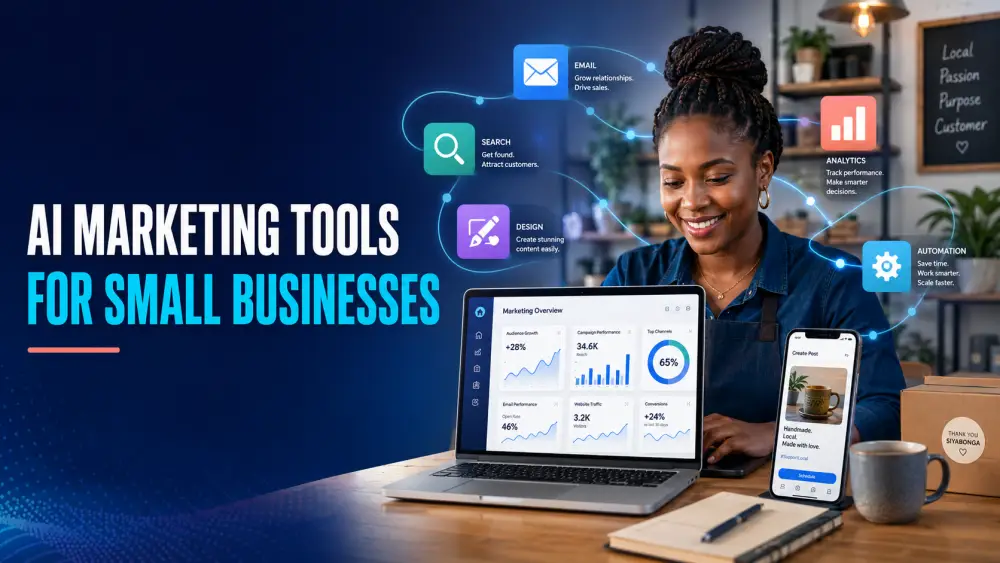
The content should sound like your business, not like a generic template. AI tools can help with ideas and first drafts, but your customer knowledge and human review remain essential. Clickmode’s article about AI marketing tools for small businesses explains how AI can support content creation without replacing strategy or judgement.
5. Make Every Post Easy to Understand
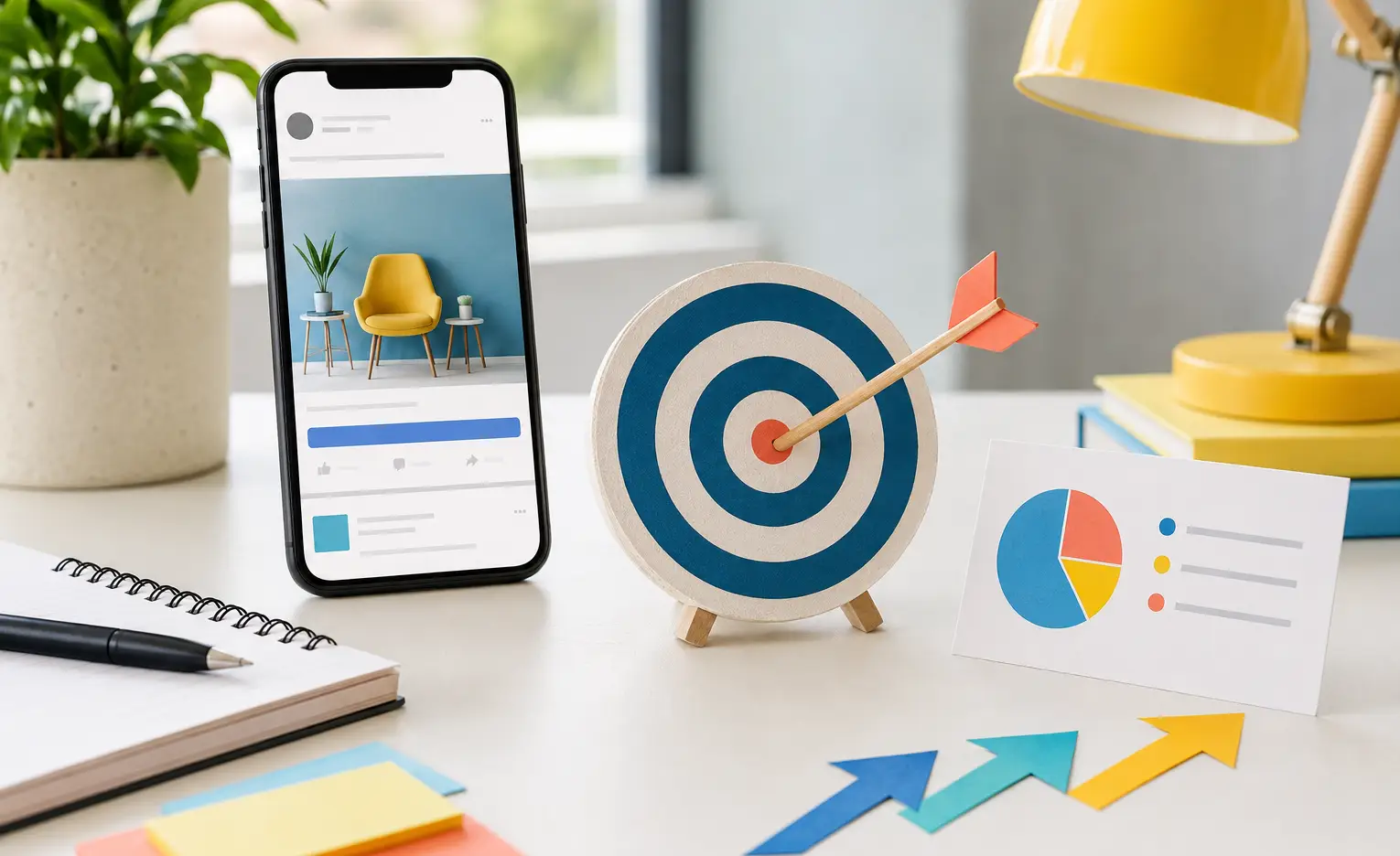
Start with a strong opening line or visual hook and keep each post focused on one main idea. Use clear, conversational wording and make sure any text included on the visual is easy to read on a phone. The image, graphic or short video should support the message rather than distract from it. End with one logical call to action so the reader understands exactly what to do next.
The call to action should match the post. “Read the guide,” “See the service,” “Request a quote,” “Send us a message” and “Tell us in the comments” each ask for a different level of commitment.
6. Stay Consistent Without Posting for the Sake of It
Consistency helps people recognise and remember your business. It also gives you enough data to identify which topics, formats and offers your audience responds to.
However, consistency does not mean publishing filler every day. Choose a realistic schedule your team can maintain. A smaller number of well-planned posts is more valuable than a burst of rushed content followed by silence.
A simple monthly plan makes consistency easier. For each post, record its purpose, target audience, topic, format and platform. Add the intended call to action, publishing date and any related offer, service page or landing page. This gives the team a clear view of why the content is being created and where it should lead the customer.
For more on this, read why consistency wins on social media.
7. Boost the Posts That Have Already Shown Potential
Good candidates include posts that are already receiving meaningful engagement, useful service explanations, strong testimonials and convincing before-and-after results. A time-sensitive promotion may also be worth supporting with paid reach, particularly when the post links to a focused service page or landing page that continues the same message.
Choose your location and audience carefully, especially if you are a local service business. Decide whether the goal is reach, website visits, messages, leads or sales before spending money.
A boosted post can be a useful starting point. For more consistent lead generation, a structured Facebook or Instagram ad campaign may offer better control over audiences, objectives, creative testing and follow-up.
8. Connect Social Media to Your Website and Follow-Up Process
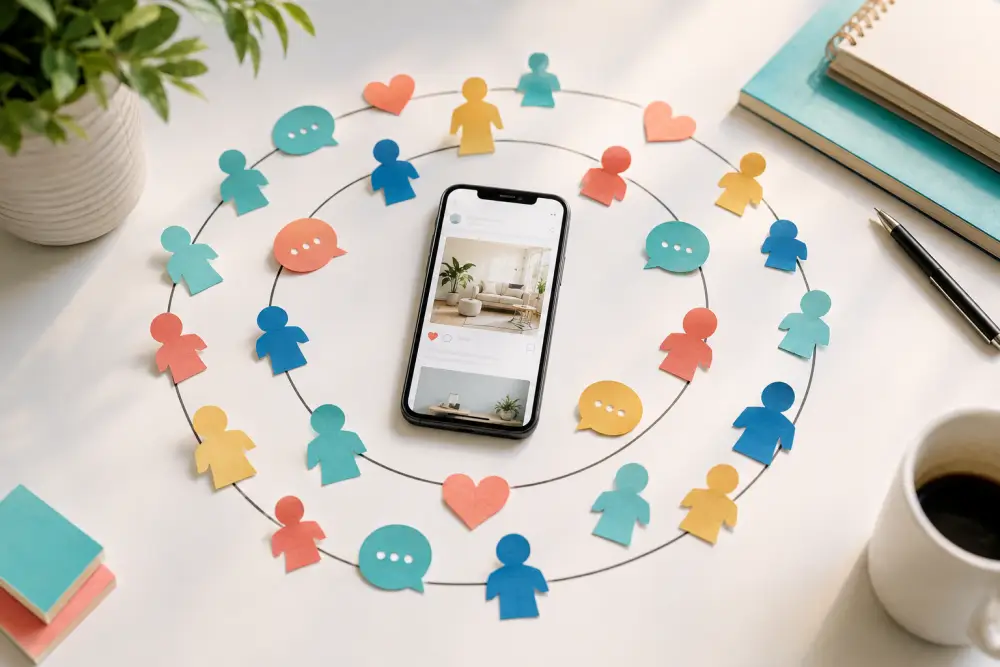
Social media should not operate as a separate little island. When someone is interested, make it easy for them to learn more or contact you.
Depending on the campaign, the next step may be a relevant service page, a focused landing page or a quote form. For businesses where customers prefer direct contact, it could be a WhatsApp conversation or phone call. Other campaigns may lead to an email sign-up or online booking page. The correct destination is the one that makes the customer’s next step feel natural and easy.
Send people to the page that best matches the promise in the post. A generic homepage may create extra work for the visitor, while a focused service page or landing page continues the same message and guides them towards action.
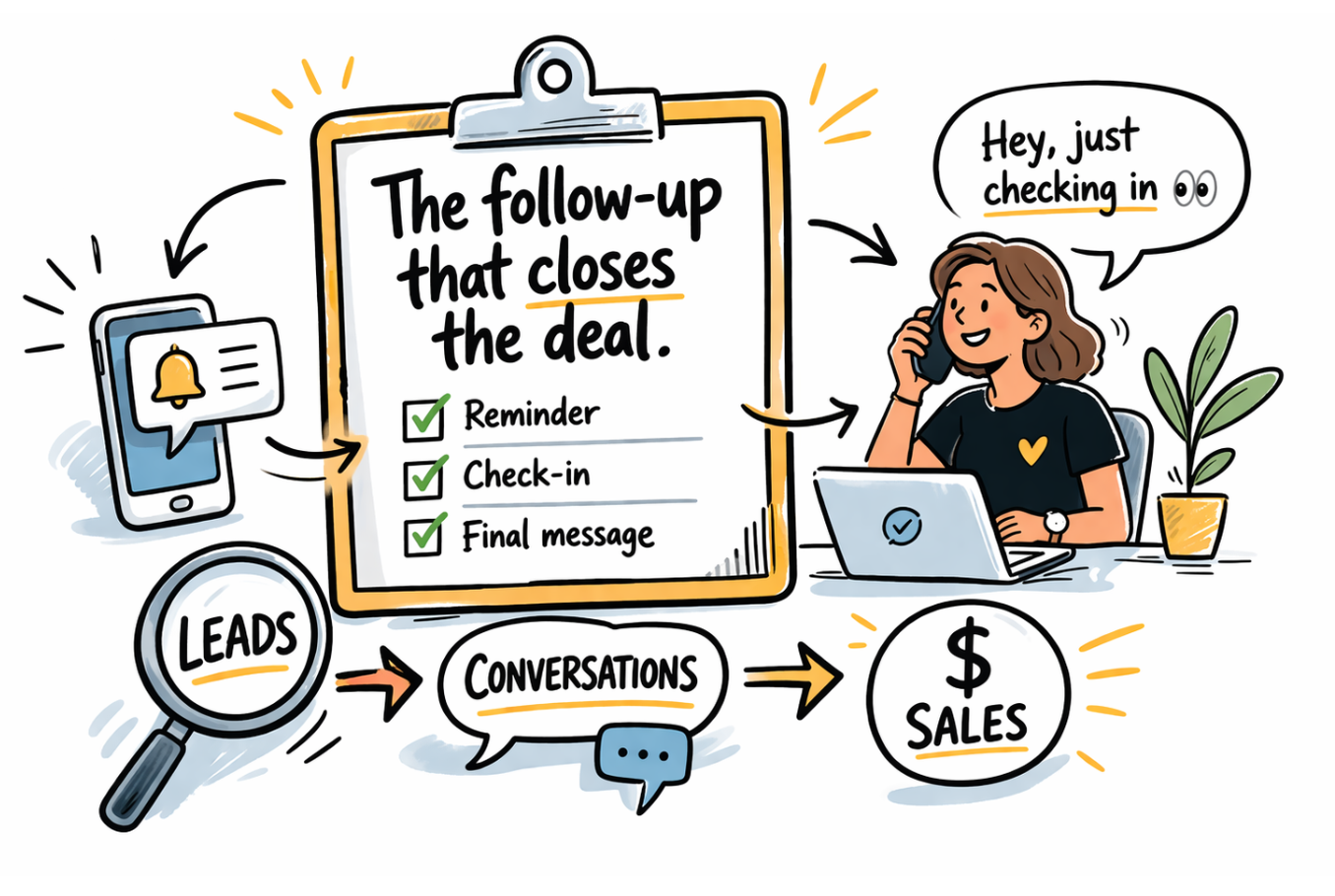
Your follow-up matters too. Decide where enquiries go, who responds, what information is needed and how leads will be tracked. If your wider system needs attention, explore Clickmode’s lead generation services.
9. Measure Business Results, Not Only Likes
Start with reach and impressions to understand how many people saw the content, but then look deeper. Saves, shares and meaningful comments can show whether people found the post useful. Link clicks and website visits reveal whether the content encouraged further interest, while WhatsApp conversations, messages, form submissions, calls and bookings show whether that attention turned into action. For paid campaigns, monitor the number of leads, cost per lead and any sales or revenue that can be linked to the campaign.
Review the results regularly. Identify which topic, visual, platform and call to action produced the most valuable response. Then use those findings to improve the next campaign.
10. Repurpose Strong Ideas Across Your Marketing
Repurposing improves consistency and helps customers encounter the same useful message in different places. It also makes content production more manageable for a small team.

How to Boost Social Media for a Small Business in South Africa
Local service businesses should pay particular attention to service areas, location-based proof, customer reviews, local language and practical calls to action such as WhatsApp or quote requests. Paid promotions should target the areas the business can genuinely serve.
The aim is not to chase every trend. It is to build a recognisable, useful and measurable presence that supports the rest of your marketing.
When Should You Work With a Social Media Marketing Agency?
Professional support may be worthwhile when posting has become inconsistent, the content no longer reflects the brand or the team is constantly unsure what to publish. It can also help when your business does not have enough internal design or copywriting capacity, or when you are spending money on advertising without fully understanding the results.
Another warning sign is when the page receives attention but very few enquiries. In that situation, the problem may not be the number of posts. The content, offer, targeting, website journey or follow-up process may need attention. An agency can help connect social media with your website, SEO, lead generation and wider marketing strategy so that each channel supports the same business goal.
Clickmode is a Pretoria-based digital marketing agency that helps South African businesses with branded social media content, captions and campaigns. Our broader services include website design, SEO, Google Ads, campaign strategy, email marketing and marketing automation, allowing social media to form part of a connected growth plan.
Explore Clickmode’s social media marketing services or visit Clickmode to discuss your business goals.

CAROL DIPPENAAR

How to outsource your brain
R220.00